Shaping Migration in a Future-Oriented and Dignified Way
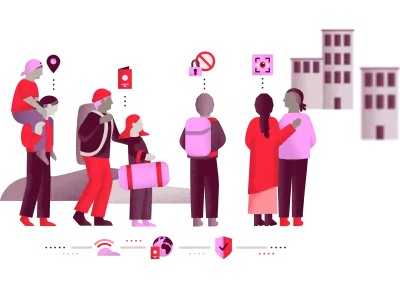
We advocate for an effective, reliable and future-oriented migration and immigration system that respects the dignity of every individual.
In Brief
- The Robert Bosch Stiftung is committed to working toward a future-oriented and dignified approach to migration and integration policy.
- We focus on four key challenges: fair and safe migration, local migration and integration management, the impact of the climate crisis, and the responsible use of digital technologies.
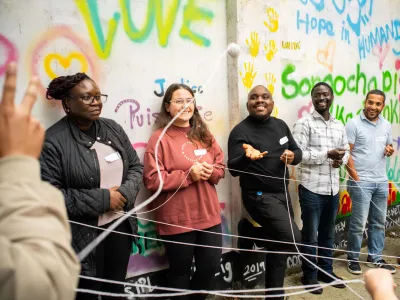
- We bring together policymakers, practitioners, and civil society organizations, as well as business, academia and the media. Our key partners include municipalities, cities, and organizations led by migrants and refugees.
Insights & Understanding


![[DE Copy] Integration_Weltküche_Frau und Mädchen_800x600.jpg](/sites/default/files/styles/bosch_4d3_medium/public/images/media/2026-05/Integration_Weltk%C3%BCche_Frau%20und%20M%C3%A4dchen_800x600.jpg.webp?h=d7a056e9&itok=LmXgR2zT)

![[DE Copy] imago70119763_mobile.jpg](/sites/default/files/styles/bosch_4d3_medium/public/images/media/2026-03/imago70119763_mobile.jpg.webp?h=2c4e73f8&itok=Iq4V448W)


![[DE Copy] 477x577_IMAGO _Pond5 Images_Visual projekt_Mig_talent beyond boundaries Kopie.jpg](/sites/default/files/styles/bosch_4d3_medium/public/images/media/2025-05/477x577_IMAGO%20_Pond5%20Images_Visual%20projekt_Mig_talent%20beyond%20boundaries%20Kopie.jpg.webp?h=24c13058&itok=R8RjDUnh)
![[DE Copy] European Press Prize](/sites/default/files/styles/bosch_4d3_medium/public/images/media/2025-04/European%20Press%20Prize_keyvisual.png.webp?h=35c5d4cc&itok=5uP0Agfr)


![[DE Copy] digital_wallets_470x577](/sites/default/files/styles/bosch_4d3_medium/public/images/media/2023-09/20230817_DigitalWallets%2BMigration_grafik_02_470x577px.png.webp?h=5127e10c&itok=M5hZ3nwz)


What is the challenge?
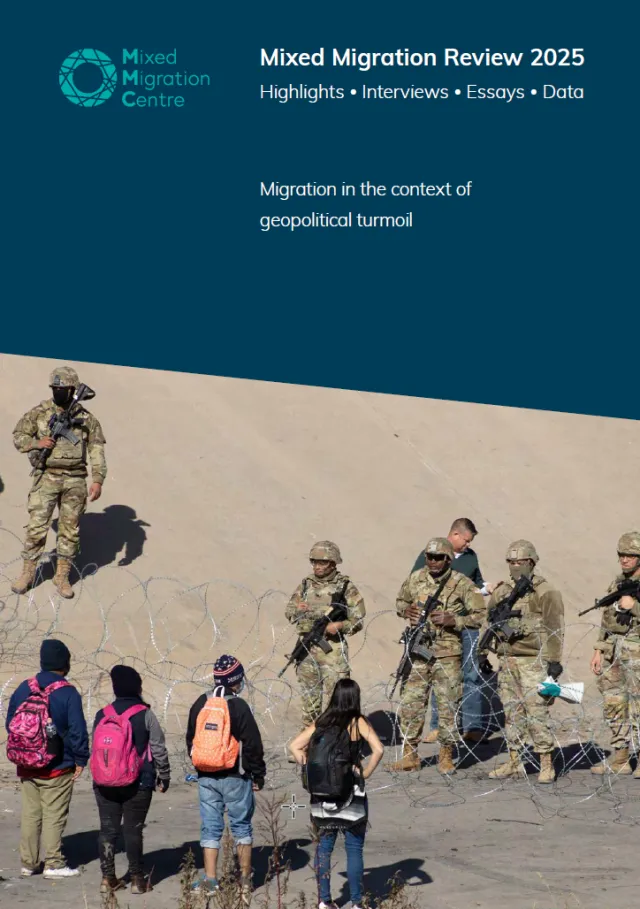
Forced displacement is increasing worldwide, while many host countries lack the capacity to respond adequately. At the same time, demographic change in Germany and elsewhere is worsening labor shortages and increasing the need for immigration. But the current system is not equipped to meet the challenges of today or tomorrow. The climate crisis and the rise of digital technologies further complicate matters.
That is why it is essential to view migration as a task for both politics and society to shape actively, with the goal of making it both dignified and future-oriented. We support innovative solutions in policy and practice, placing particular emphasis on involving cities and organizations led by migrants and refugees in political decision-making.
FAQs
Answers to frequently asked questions about migration.
Why does the Robert Bosch Stiftung focus on migration?
The system for migration, reception and integration in host countries are not equipped for the challenges of today and tomorrow. Forced displacement is increasing, while demographic change is making immigration necessary in many countries. The climate crisis and digital transformation further complicate matters.
What is the Robert Bosch Stiftung’s vision for migration?
Our aim is to create a future-oriented migration system that is effective, reliable and dignified. The rights of migrants and refugees should be protected and integration should be shaped collaboratively at the local level.
What role do local communities play in the Foundation’s strategy?
Integration takes place at the local level. The Foundation supports local stakeholders in actively shaping immigration, building capacity, and advocating for their interests.
What is the Foundation’s position on the use of digital technologies in migration?
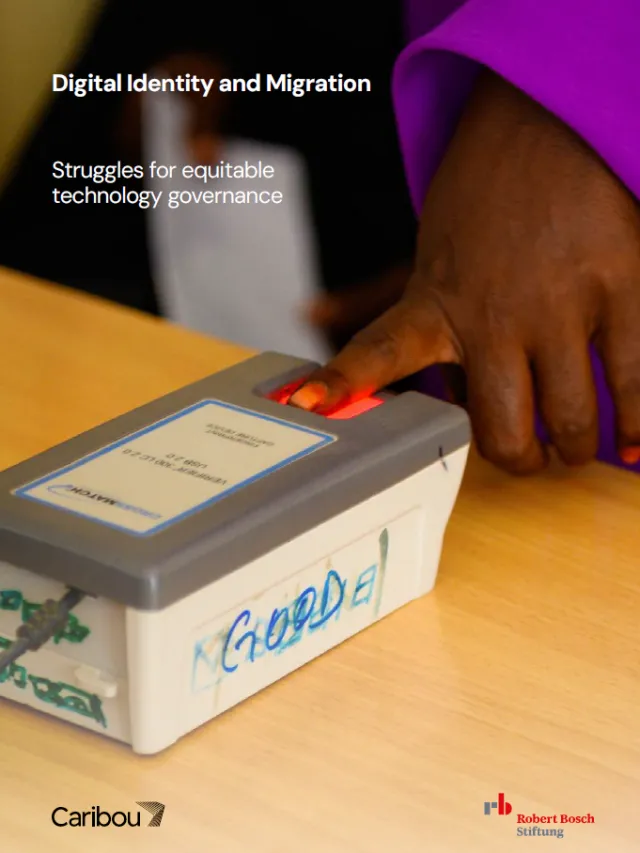
Our work focuses on ensuring that technologies such as artificial intelligence (AI) and other digital tools are used effectively, safely, and responsibly in the management of migration. To achieve this, we support decision-makers and organizations and help shape policy.
What is the Foundation doing about climate change and migration?
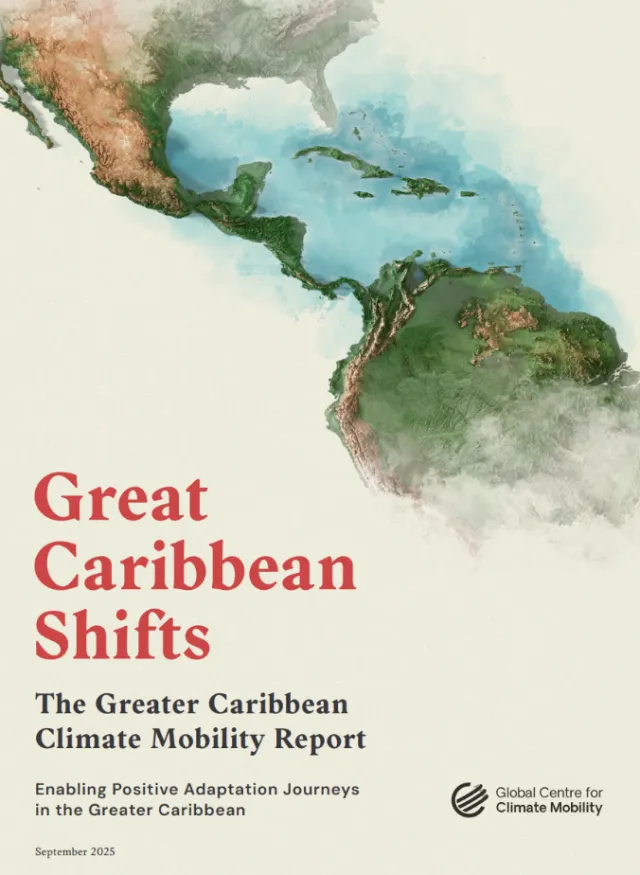
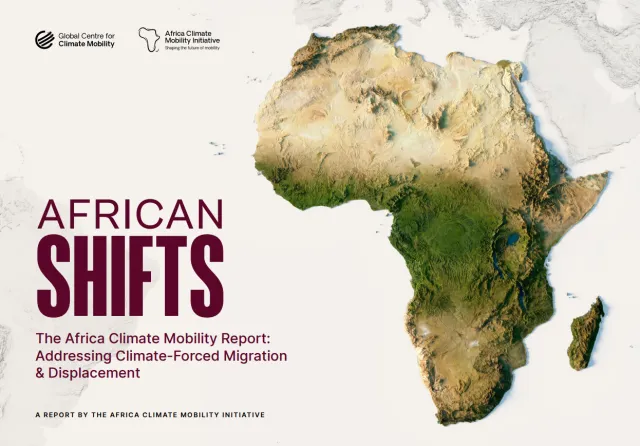
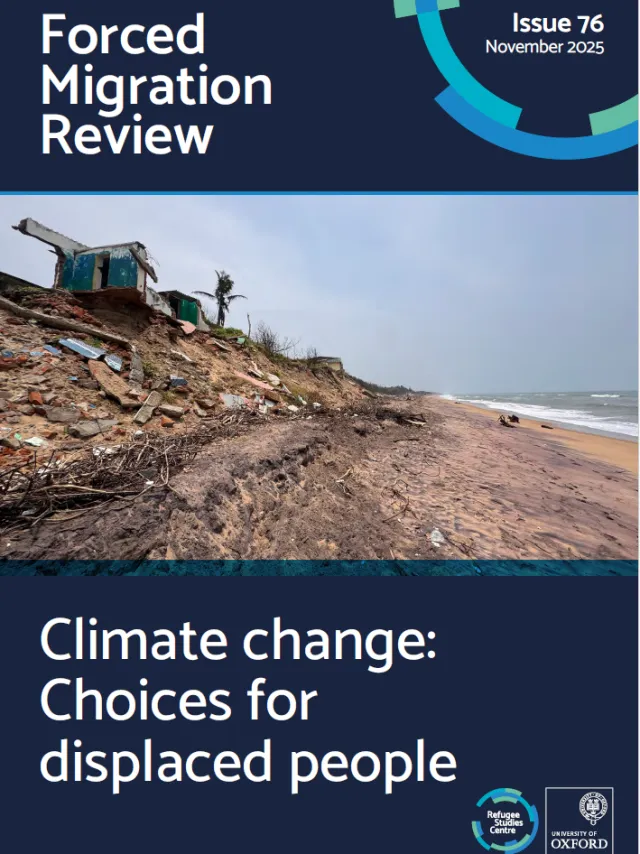
Climate-related migration is already a reality for many people. We support partners working with affected communities, cities, and governments to develop practical responses. We also promote policy instruments and financing mechanisms to ensure a humane and sustainable response to the impacts of climate change, and we strengthen disadvantaged groups through the inclusion of their perspectives.
Publications
![[DE Copy] 260502_IDMC_GRID26_web-1.jpg](/sites/default/files/styles/bosch_original_medium/public/images/media/2026-05/260502_IDMC_GRID26_web-1.jpg.webp?itok=XK1Wf5rr)
Your Contact Persons

Hannes Einsporn
Senior Expert

Feven Kahsay-Tesfatsion
Assistant to Team Migration