Image
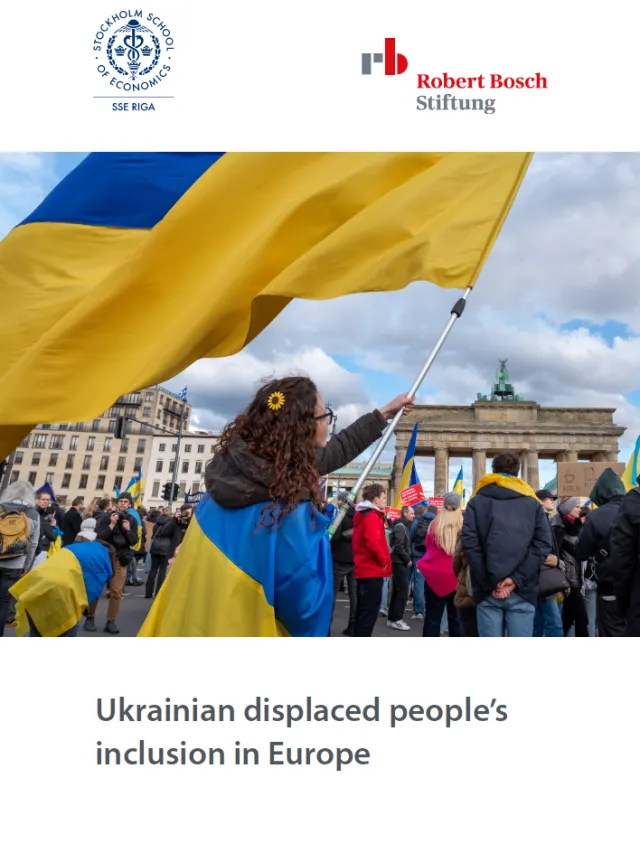
Ukrainian displaced people's inclusion in Europe
In wake of the Russian full-scale invasion of Ukraine, Europe welcomed over six million displaced people. The initial response was built under pressure. Two years on, the questions changed. What helps people move from arrival to work, school, and stable routines? What breaks down when emergency measures meet long-term needs? What can countries learn from each other when systems, labour markets, and languages differ?
Based on roundtables and discussions involving academics, policymakers, and the business community with active participation from Ukrainian displaced people, this briefing analyses the responses across 12 countries, and points out factors for more sustainable support.
Stockholm School of Economics in Riga
![[DE Copy] 260502_IDMC_GRID26_web-1.jpg](/sites/default/files/styles/bosch_original_medium/public/images/media/2026-05/260502_IDMC_GRID26_web-1.jpg.webp?itok=XK1Wf5rr)